India to Middle East Breakbulk Shipping: What Businesses Need to Know
The trade relationship between India and the Middle East continues to create major opportunities for manufacturers, construction companies, engineering firms, energy businesses, infrastructure developers, and industrial suppliers. As projects become larger and equipment becomes heavier, conventional container shipping is not always the right solution.
This is where breakbulk shipping and project cargo logistics become essential.
Industrial machinery, transformers, generators, construction equipment, steel structures, boilers, tanks, pipes, turbines, and other oversized or heavy cargo often require specialized planning and transportation. Unlike standard containerized shipments, breakbulk cargo needs careful coordination between the shipper, freight forwarder, port, vessel operator, customs authorities, heavy-lift teams, and final delivery provider.
For businesses moving such cargo from India to destinations across the UAE, Saudi Arabia, Oman, Qatar, Bahrain, Kuwait, and other Middle Eastern markets, selecting the right logistics partner can make a significant difference to cost, safety, delivery time, and project continuity.
This guide explains what businesses should know before arranging India to Middle East breakbulk shipping.
What Is Breakbulk Shipping?
Breakbulk shipping refers to transporting cargo that is loaded individually rather than inside standard shipping containers.
Instead of placing the cargo inside a 20-foot or 40-foot container, items may be loaded directly onto a vessel using cranes or specialized lifting equipment.
Typical breakbulk cargo includes:
- Industrial machinery
- Construction equipment
- Steel structures
- Pipes and tubes
- Boilers and pressure vessels
- Generators
- Transformers
- Turbines
- Heavy vehicles
- Mining equipment
- Oil and gas equipment
- Renewable-energy components
- Infrastructure project equipment
Breakbulk transportation becomes particularly useful when cargo is too large, too heavy, or unsuitable for conventional containerization.
Why Is Breakbulk Shipping Important for India–Middle East Trade?
The Middle East is home to large-scale construction, energy, infrastructure, manufacturing, logistics, and industrial projects.
Indian companies regularly supply machinery, engineering products, construction materials, fabricated structures, and specialized equipment to markets throughout the region.
However, moving such cargo requires much more than simply booking vessel space.
Cargo dimensions, weight, lifting points, port infrastructure, vessel compatibility, customs requirements, inland transportation, and final delivery conditions all need to be considered.
This is why businesses often work with a project cargo logistics company that can coordinate multiple stages of the transportation process.
A well-planned shipment can help minimize handling risks, avoid unnecessary port charges, and ensure that critical project equipment reaches the destination according to the required schedule.
Breakbulk vs Container Shipping: Which Is Better?
One of the first decisions businesses need to make is whether their cargo should move as breakbulk or containerized freight.
Container shipping is generally ideal for standardized cargo that fits within the dimensions and weight limits of available containers.
Breakbulk can be more suitable when cargo:
- Exceeds standard container dimensions
- Is exceptionally heavy
- Has unusual dimensions
- Requires specialized lifting
- Cannot be safely dismantled
- Needs direct loading onto a vessel
- Is part of a large industrial project
For example, a standard shipment of packaged machinery components may fit comfortably inside a container. A large industrial transformer or fabricated steel structure may require a completely different transportation strategy.
Choosing the correct method at the planning stage can prevent expensive changes later.
Major Types of Project Cargo Moving from India to the Middle East
India has a large manufacturing and engineering ecosystem, creating demand for specialized logistics services across several industries.
1. Construction Equipment
Excavators, cranes, loaders, drilling equipment, concrete machinery, and other heavy equipment can require specialized transportation.
2. Energy Equipment
Transformers, generators, turbines, boilers, and other power-generation equipment are often transported as project cargo.
3. Oil & Gas Equipment
The Middle East’s energy industry creates significant demand for specialized equipment, components, pipes, vessels, and industrial machinery.
4. Infrastructure Equipment
Large structures, bridge components, steelwork, and specialized construction equipment may need breakbulk transportation.
5. Renewable Energy Equipment
Solar, wind, and other renewable-energy projects can involve oversized components requiring carefully coordinated logistics.
For these types of shipments, businesses can benefit from working with a provider offering project cargo services India businesses can rely on for planning, transportation and coordination.
Key Middle Eastern Destinations for Breakbulk Cargo
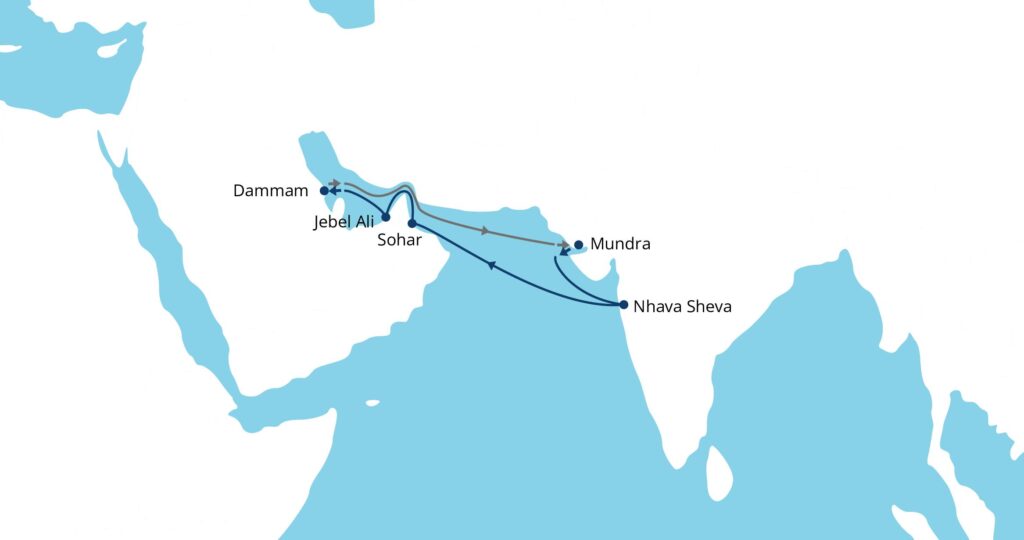
Breakbulk shipments from India can serve multiple Middle Eastern markets.
Important destinations may include:
- United Arab Emirates
- Saudi Arabia
- Oman
- Qatar
- Kuwait
- Bahrain
- Iraq
- Jordan
The appropriate port depends on the final destination, cargo characteristics, available infrastructure, vessel schedules, and inland transportation requirements.
For example, cargo destined for an industrial project may need to move through a port with suitable heavy-lift equipment and then continue by specialized road transportation to the project site.
Therefore, choosing a port should be part of the overall logistics plan rather than an isolated shipping decision.
The Importance of Heavy-Lift Planning
Heavy-lift cargo requires significantly more preparation than ordinary freight.
Before transportation begins, logistics professionals may need to evaluate:
- Cargo weight
- Cargo dimensions
- Center of gravity
- Lifting points
- Loading method
- Crane capacity
- Vessel equipment
- Port infrastructure
- Road conditions
- Bridge restrictions
- Turning radius
- Final delivery location
A small planning error can result in major delays or additional expenses.
For extremely heavy or oversized cargo, a route survey may be required before the shipment begins. This helps identify potential restrictions along the inland transportation route.
An experienced heavy lift logistics company can coordinate these requirements and develop a transportation plan based on the actual cargo specifications.
What Is Oversized Cargo?
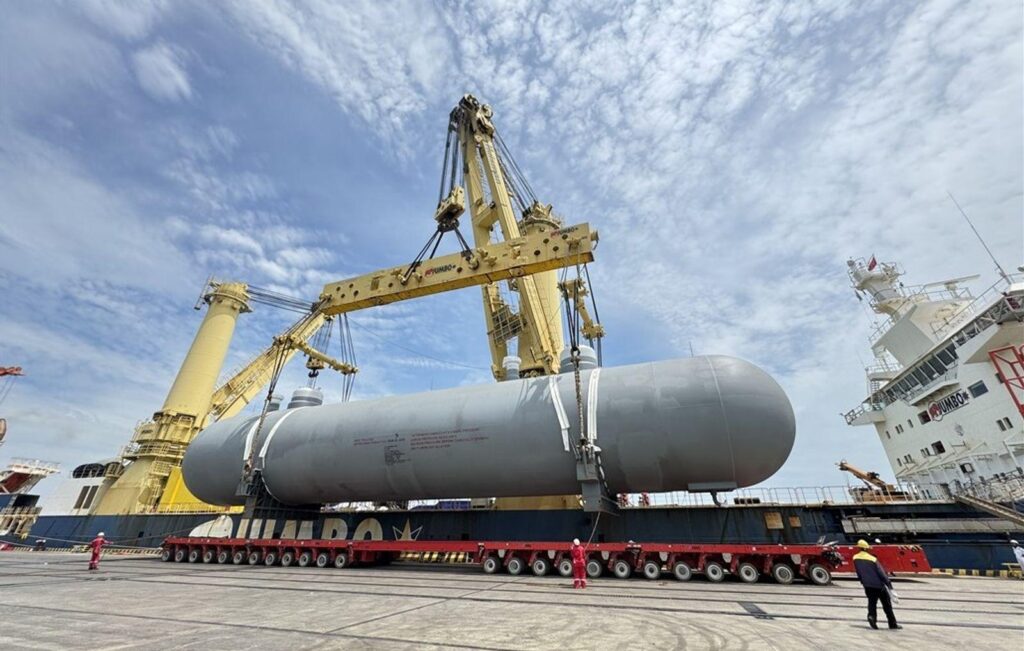
Oversized cargo is freight that exceeds the standard dimensions or weight limits used for conventional transportation.
Examples include:
- Large industrial machines
- Long steel structures
- Large tanks
- Heavy generators
- Transformers
- Construction machinery
- Wind-energy components
Oversized cargo often requires special equipment, permits, route planning, escorts, cranes, and carefully coordinated loading and unloading.
This is why businesses should select an oversized cargo logistics company with experience handling complex shipments rather than treating oversized cargo like ordinary freight.
Customs Clearance for India to Middle East Breakbulk Shipments
Customs clearance is another critical part of international project cargo transportation.
Before shipping, businesses should ensure that their commercial and regulatory documentation is accurate and complete.
Depending on the cargo and destination, documentation may include:
- Commercial invoice
- Packing list
- Bill of lading
- Certificate of origin
- Product specifications
- Import/export documentation
- HS code information
- Permits or certificates where applicable
- Insurance documentation
Incorrect cargo descriptions, classification issues, missing paperwork, or inconsistencies between documents can create delays.
For project cargo, customs planning should ideally begin before the cargo reaches the port.
This allows potential documentation issues to be identified early rather than during the shipment process.
How Does India to the Middle East Breakbulk Shipping Work?
A typical cargo shipment project can involve several stages.
Step 1: Cargo Assessment
The logistics provider reviews the cargo’s weight, dimensions, commodity, packaging, lifting requirements, origin, destination, and delivery deadline.
Step 2: Transportation Planning
The appropriate shipping method, vessel option, port, equipment and inland transportation plan are evaluated.
Step 3: Documentation & Customs Preparation
Required export documents and cargo information are prepared and reviewed.
Step 4: Inland Transportation
The cargo is moved from the factory, warehouse, or project location to the designated port.
Step 5: Port Handling
Specialized equipment such as cranes, forklifts, trailers, or lifting accessories may be used depending on the cargo.
Step 6: Vessel Loading
The cargo is safely loaded and secured according to the vessel and cargo requirements.
Step 7: Ocean Transportation
The shipment travels from the Indian port to the selected Middle Eastern destination.
Step 8: Destination Handling & Customs
The cargo is discharged, customs formalities are completed, and the shipment is prepared for onward transportation.
Step 9: Final Delivery
Specialized road transportation may then move the cargo from the destination port to the final project site.
This end-to-end approach is why businesses often prefer a project freight forwarding company capable of coordinating multiple logistics stages.
How Much Does Breakbulk Shipping from India to the Middle East Cost?
There is no fixed price for project cargo shipping.
The total cost depends on several factors, including:
- Cargo weight
- Cargo dimensions
- Origin location
- Destination
- Port charges
- Vessel availability
- Freight rates
- Loading and unloading requirements
- Crane requirements
- Inland transportation
- Customs clearance
- Permits
- Storage
- Insurance
- Special handling requirements
Oversized and heavy cargo can involve additional expenses because it may require specialized equipment and transportation arrangements.
For this reason, businesses should request a project-specific quotation rather than relying on standard container freight rates.
A detailed quotation should ideally identify the major cost components so the business can understand the overall logistics budget.
Common Challenges in India to Middle East Project Cargo Shipping
Project cargo transportation can involve several challenges.
Port Congestion
Delays at origin or destination ports can affect project schedules.
Equipment Availability
Heavy-lift cranes, specialized trailers, and suitable vessels may not always be immediately available.
Route Restrictions
Oversized cargo may encounter bridges, narrow roads, height restrictions, or weight limitations.
Documentation Issues
Incorrect or incomplete documents can create customs delays.
Cargo Handling Risks
Improper lifting, securing, or handling can damage valuable equipment.
Schedule Coordination
Project cargo often involves multiple parties, making communication and coordination extremely important.
A specialized logistics provider can help identify these challenges before transportation begins.
How to Choose a Breakbulk Logistics Partner
Choosing a logistics provider should not be based only on the lowest freight quotation.
Businesses should consider:
Experience: Does the provider understand the project and breakbulk cargo?
Planning capability: Can they manage route surveys, lifting plans and transportation coordination?
Port network: Can they arrange reliable origin and destination handling?
Customs expertise: Can they assist with required customs documentation?
Heavy-lift capability: Do they understand the requirements of heavy and oversized cargo?
End-to-end coordination: Can one logistics partner manage multiple stages?
For complex shipments, these capabilities can be more valuable than simply finding the cheapest initial rate.
Why Businesses Choose CargoMate Logistics for Project Cargo
Moving project cargo from India to the Middle East requires coordination, technical understanding, and attention to detail.
CargoMate Logistics provides specialized logistics support for businesses handling challenging cargo requirements, including project cargo, breakbulk shipments, heavy equipment, oversized cargo, freight forwarding, and customs coordination.
Whether you are moving industrial machinery, construction equipment, energy components, fabricated structures, or other specialized cargo, CargoMate can help businesses evaluate transportation requirements and develop a practical logistics plan.
As a breakbulk logistics company India businesses can approach for specialized cargo requirements, CargoMate focuses on coordinating the important stages of the shipment rather than treating every consignment as standard freight.
Its project-focused approach can help businesses plan transportation around cargo specifications, destination requirements, handling needs, and delivery schedules.
The Future of India–Middle East Project Cargo
India’s expanding manufacturing, infrastructure, engineering, energy, and export sectors are creating new opportunities for specialized logistics.
At the same time, Middle Eastern markets continue to invest in large infrastructure, industrial, energy, construction, and development projects.
This creates a strong need for reliable project cargo logistics capable of moving equipment safely and efficiently across international borders.
For businesses involved in these projects, logistics should be considered during the planning stage—not after the equipment is ready to ship.
Early logistics planning can help identify suitable ports, transportation modes, handling equipment, documentation requirements, potential route restrictions, and expected costs.
Final Thoughts
India to Middle East breakbulk shipping is not simply about moving heavy cargo from one port to another. It is a coordinated process involving cargo assessment, route planning, port handling, vessel selection, customs clearance, heavy lifting, inland transportation, and final delivery.
For standard cargo, conventional container shipping may be sufficient. But when equipment becomes heavy, oversized, complex, or project-critical, specialized logistics planning becomes essential.
Working with an experienced project cargo logistics company, heavy lift logistics company, or project freight forwarding company can help businesses manage these complexities more effectively.
With the right planning and logistics partner, businesses can move challenging cargo from India to the Middle East with greater control over cost, safety, scheduling, and delivery.
CargoMate Logistics helps businesses turn complex cargo movements into organized logistics solutions—supporting project cargo, breakbulk, heavy-lift, oversized shipments, freight forwarding, and customs requirements.
Planning a project cargo shipment from India to the Middle East? Talk to CargoMate Logistics about your cargo dimensions, weight, origin, destination, and delivery requirements to develop the right transportation strategy.